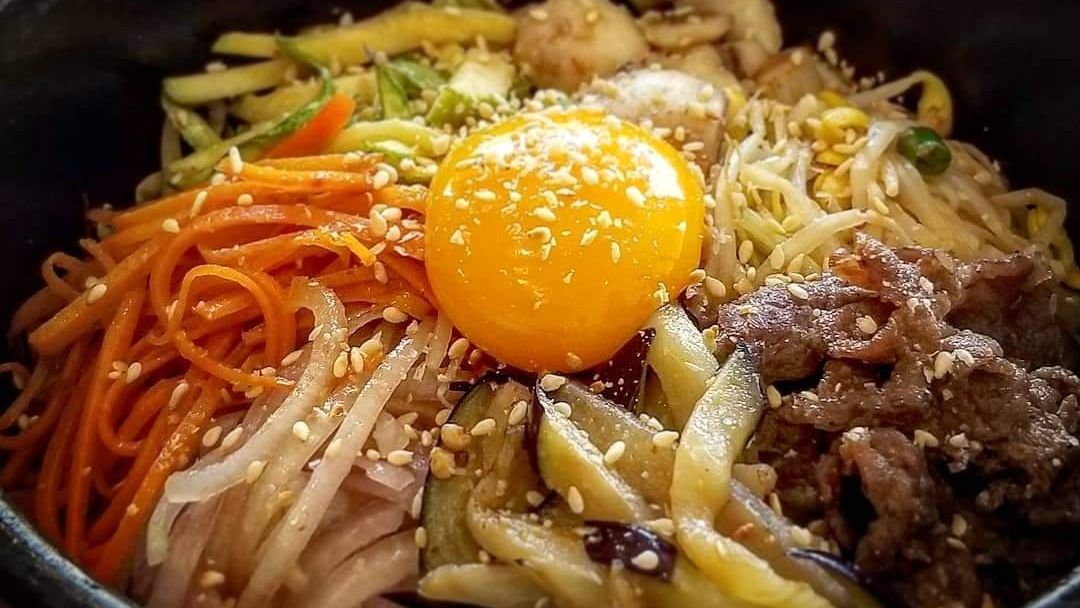
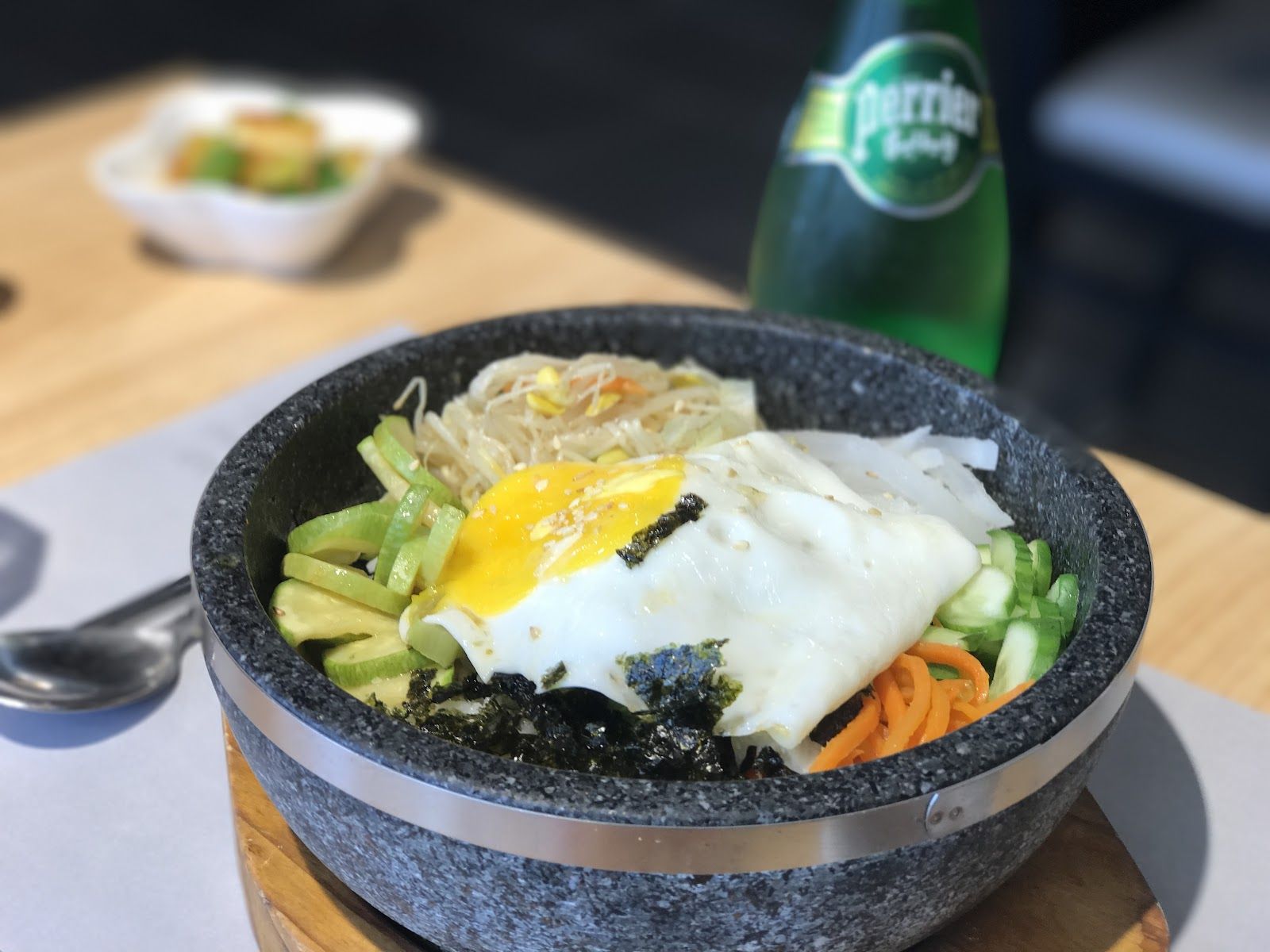
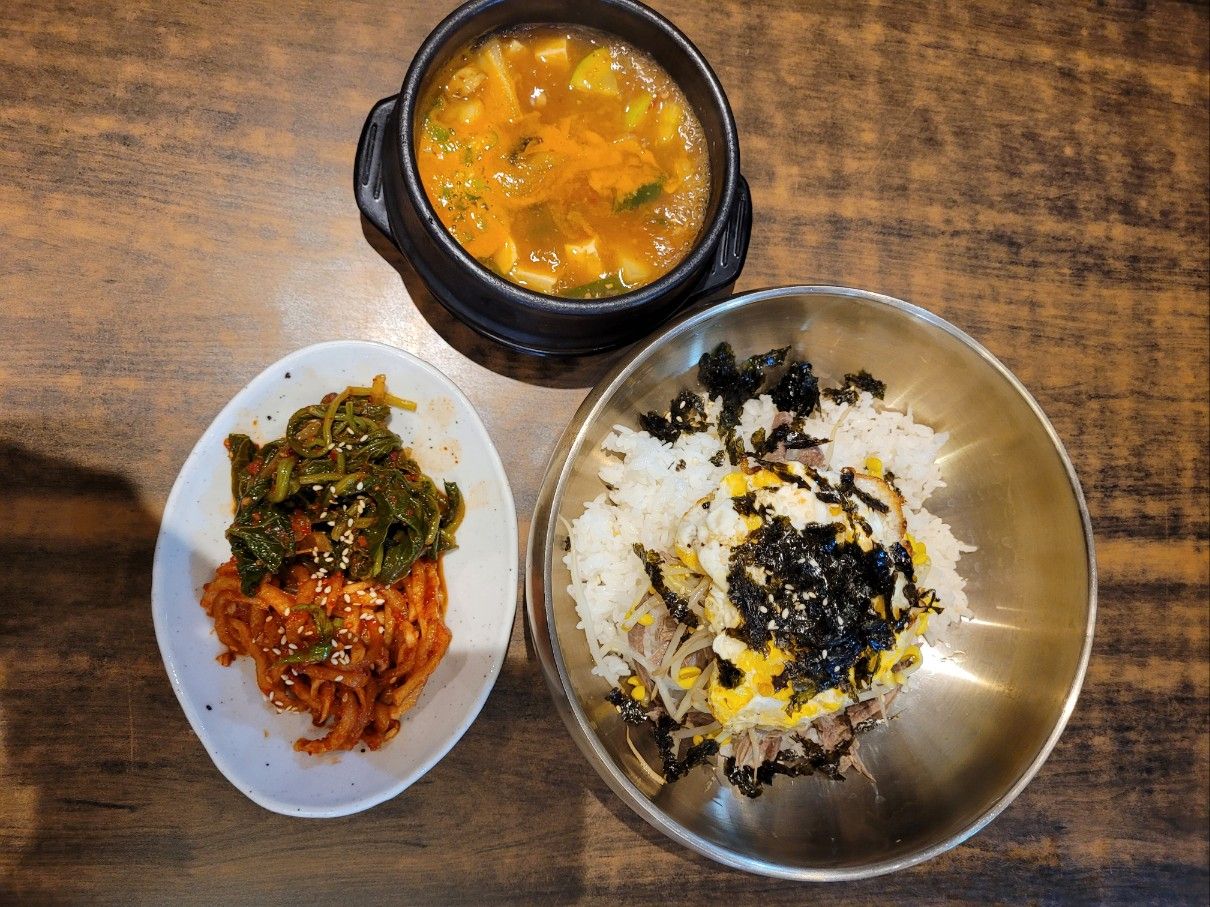
Bulgogi is, on first encounter, deceptively simple. Thin slices of beef — classically sirloin or ribeye — marinated in soy, sugar, pear, garlic, sesame, mirin, and a tiny amount of grated onion, then seared hard on a brass dome or a cast-iron plate until the marinade caramelises and the meat reaches the precise moment between rare and medium-rare. Done well, the dish is a textural argument: tender against crisp, sweet against savoury, the iron char balanced against the pear-sweetness of the marinade. Done badly, it is a wet, sticky, over-sweet stir-fry on a hot plate. Dubai has both versions. This is how to find the first kind in 2026.
Q: What separates great bulgogi from average bulgogi?
A: Three things. First, the cut — ribeye marbling melts faster, sirloin holds shape better, and the better restaurants offer both. Second, the marinade ratio: the pear-and-sugar sweetness needs to balance the soy and not dominate. Third, the heat — the iron or brass dome must be properly screaming-hot (around 240–260°C) before the meat goes on. The good rooms get this right. The mediocre rooms run cooler grills.
Q: Where should I sit at a Korean BBQ?
A: The grill table. Not the dining floor. The whole point of bulgogi as an experience is the table-side grill: the server brings the marinated meat raw and cooks it, or you cook it. The food temperature and the cooking timing matter to the dish's quality, so eating it from a kitchen-cooked plate is, in effect, a different and worse dish. Always book a grill table.
The 7 Best Bulgogi Tables in Dubai, Ranked
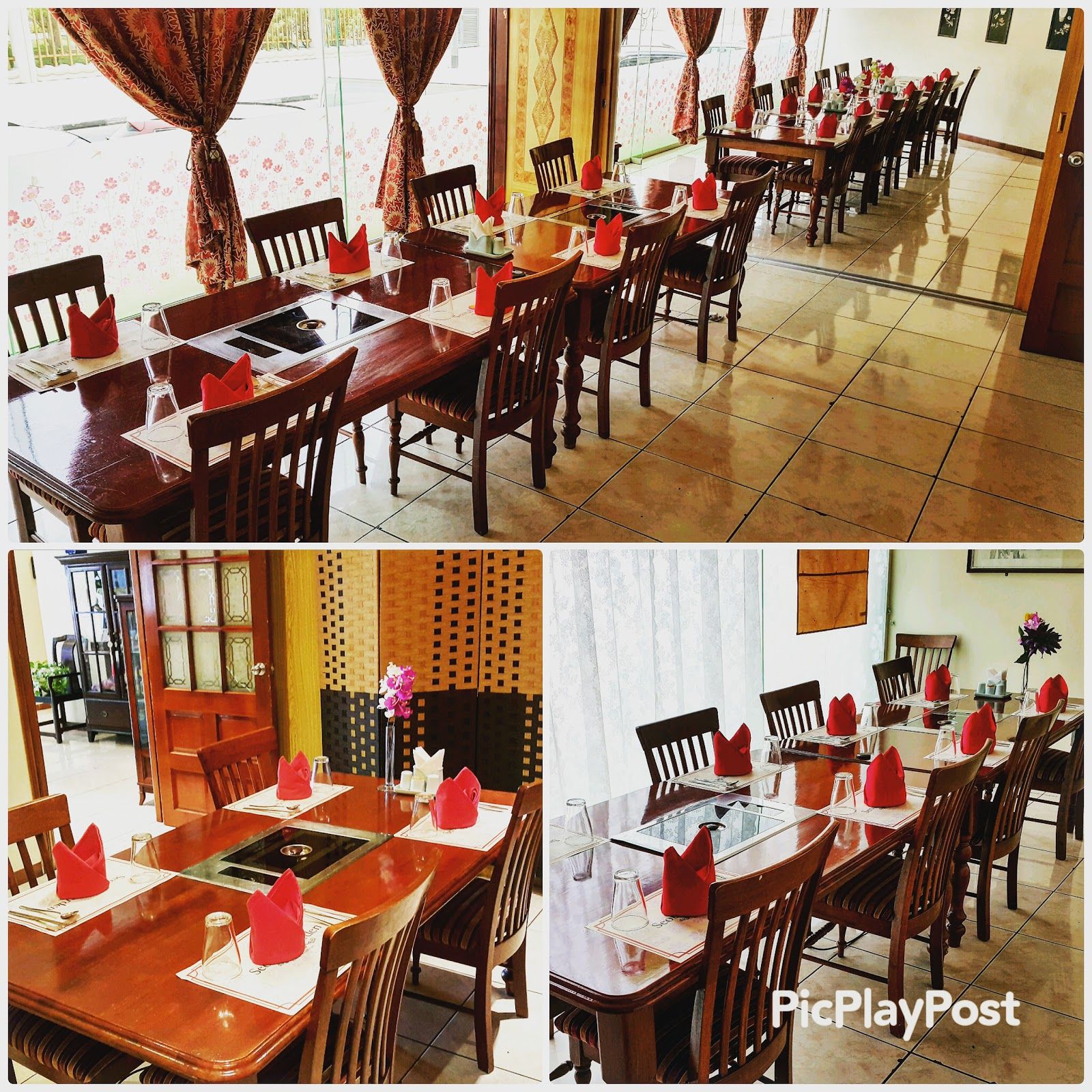
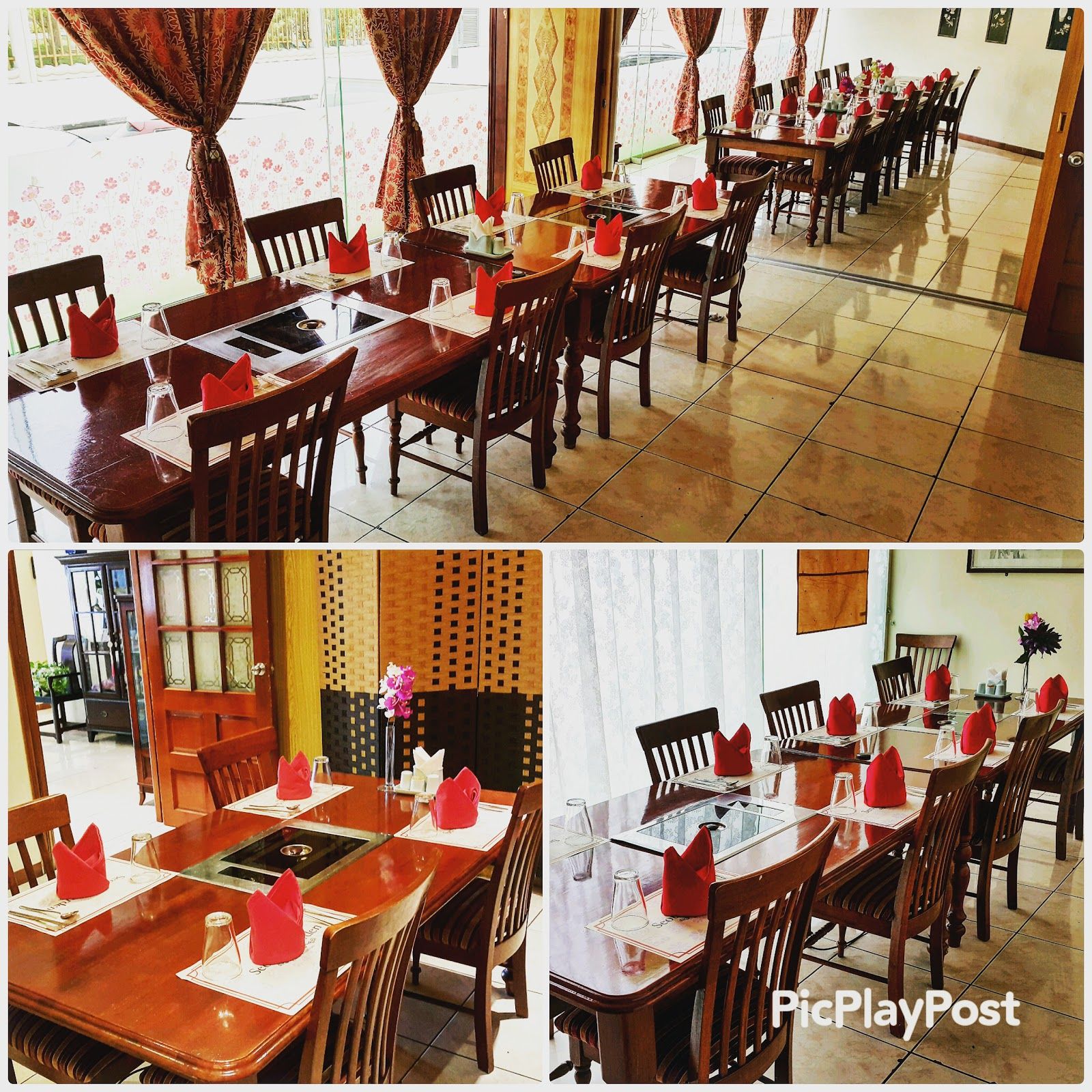
Seoul Garden — Al Karama
The unanimous answer if you ask Dubai's Korean community where to go for bulgogi. Seoul Garden has been open since 2011 and has not moved an inch from its template: family-run, traditional banchan (typically 12 plates with your order), proper cast-iron table grills, and a ribeye-bulgogi marinade that hits the sweet-savoury balance better than anywhere else in the city. The grill temperature is the highest I've measured in Dubai, which is exactly why the caramelisation on the meat is right.
Order the ribeye bulgogi for two (AED 165, serves 2), the kimchi pancake (AED 38), and a bottle of soju. Total for two: about AED 280. The lunch set with bulgogi at AED 75pp is the cheapest serious bulgogi in Dubai.
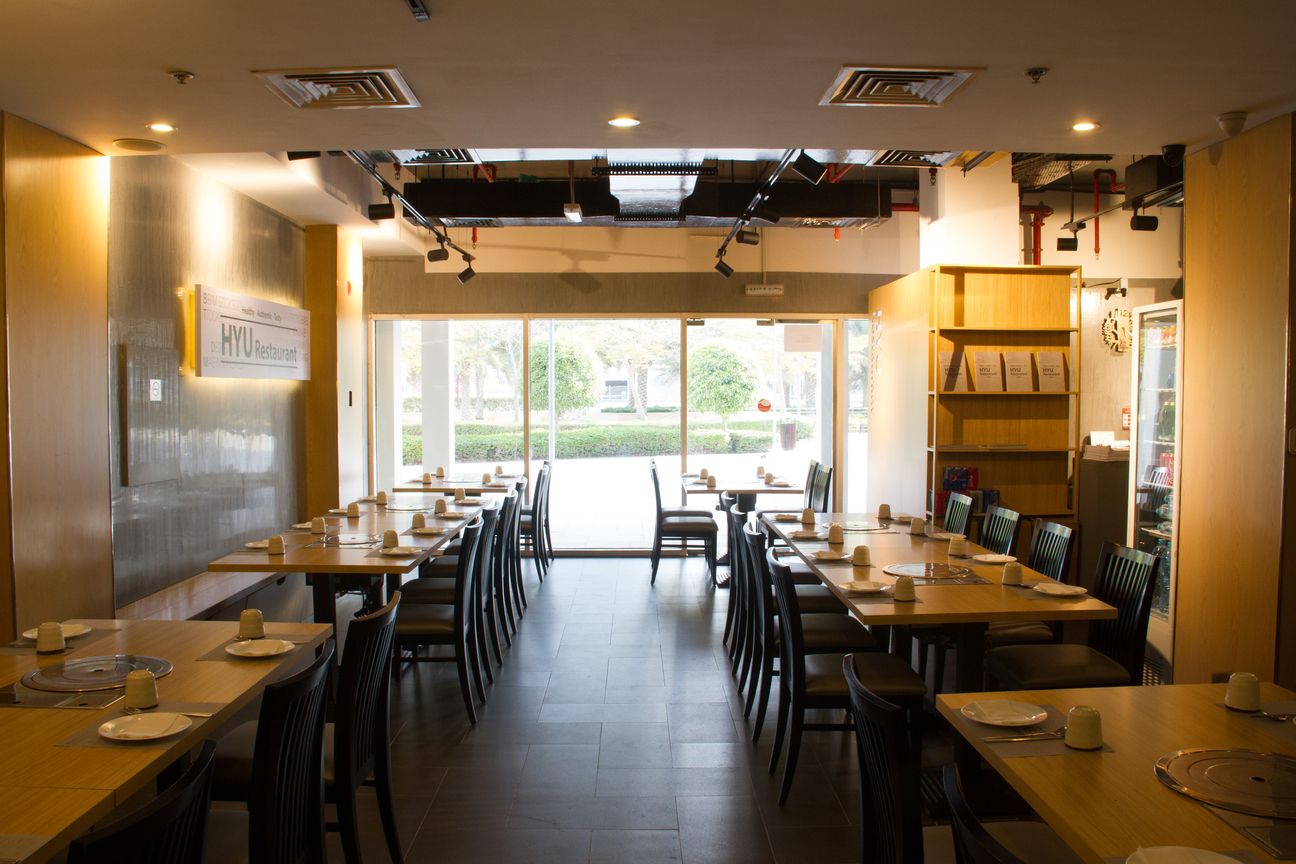
Hyu — The Westin Mina Seyahi (Marina)
Hyu is the modern, hotel-polished version of the Korean BBQ experience — brushed-steel grill tables, a wider beef-cut menu (kobe-style A5 wagyu bulgogi at AED 285pp, alongside the classical sirloin and ribeye options), and a banchan rotation that feels deliberately curated rather than family-traditional. The room is more date-night than Seoul Garden's bustling family-dinner energy. The bulgogi here is slightly less rustic and slightly more refined; whether that is better is a matter of taste.
The lunch set at AED 145pp (bulgogi, banchan, rice, miso, jjigae stew) is the best high-end Korean lunch deal in Dubai.
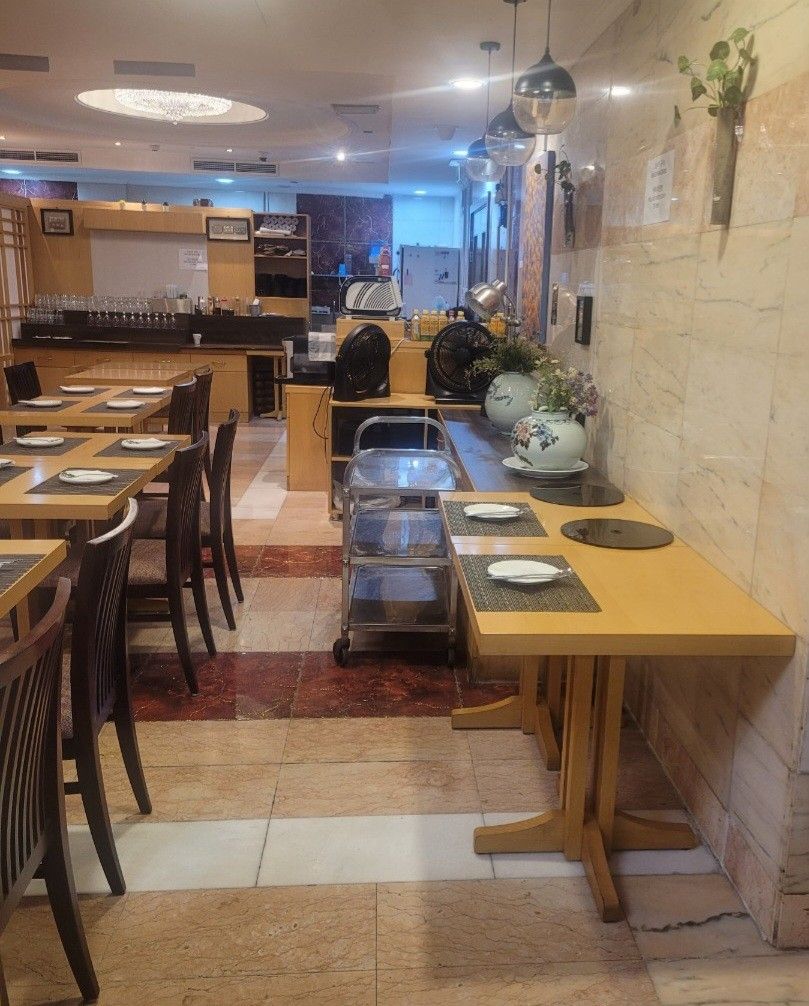
Sky Korean Restaurant & Bar — Sheikh Zayed Road
The third spot is, deliberately, a venue with a different texture: Sky Korean does a contemporary cocktail-bar reading of Korean BBQ. The bulgogi here uses a slightly drier marinade (less pear, more sesame) which works better with cocktails than with soju. The rooftop terrace in October–April is one of the best Dubai dinner-with-a-view options outside of fine dining. The grill tables are on the indoor side; ask for one specifically.
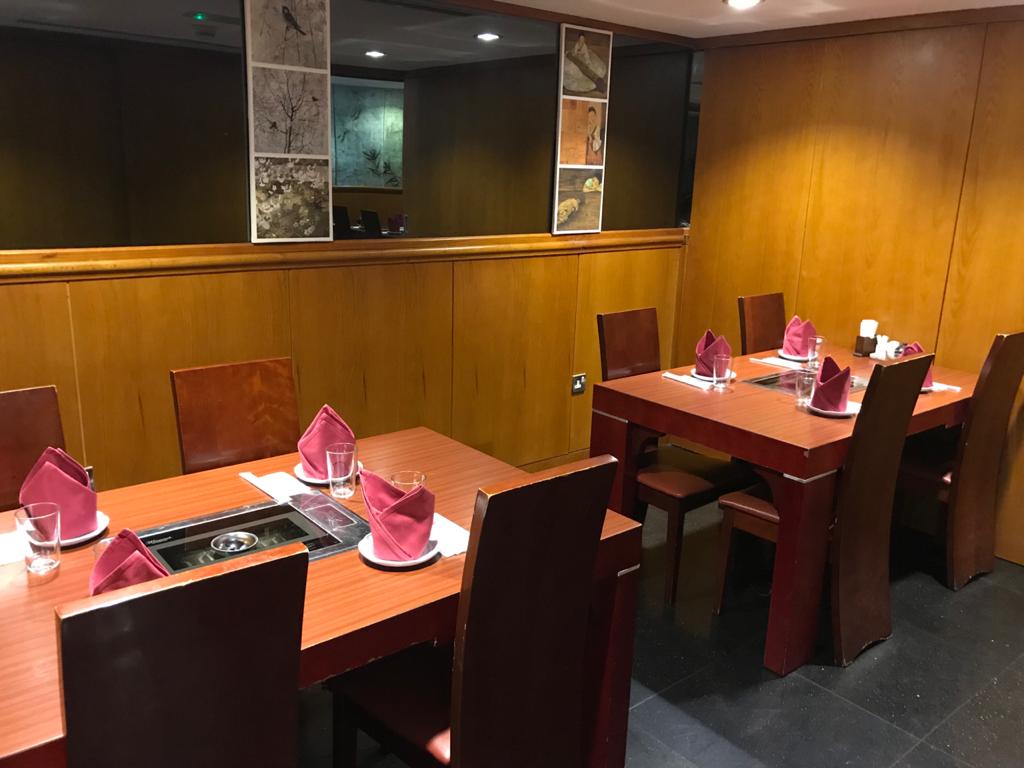
Shogun Korean — JLT
Shogun is the JLT answer to Seoul Garden — family-run, casual, the staple of the Korean-resident lunch crowd in the Cluster T area. The bulgogi marinade is on the sweeter side (more pear, more sugar) and pairs particularly well with the spicy kimchi the kitchen makes in-house. Grill quality is excellent; ribeye is slightly under-marbled compared to Seoul Garden's, but the price-quality balance is hard to beat.
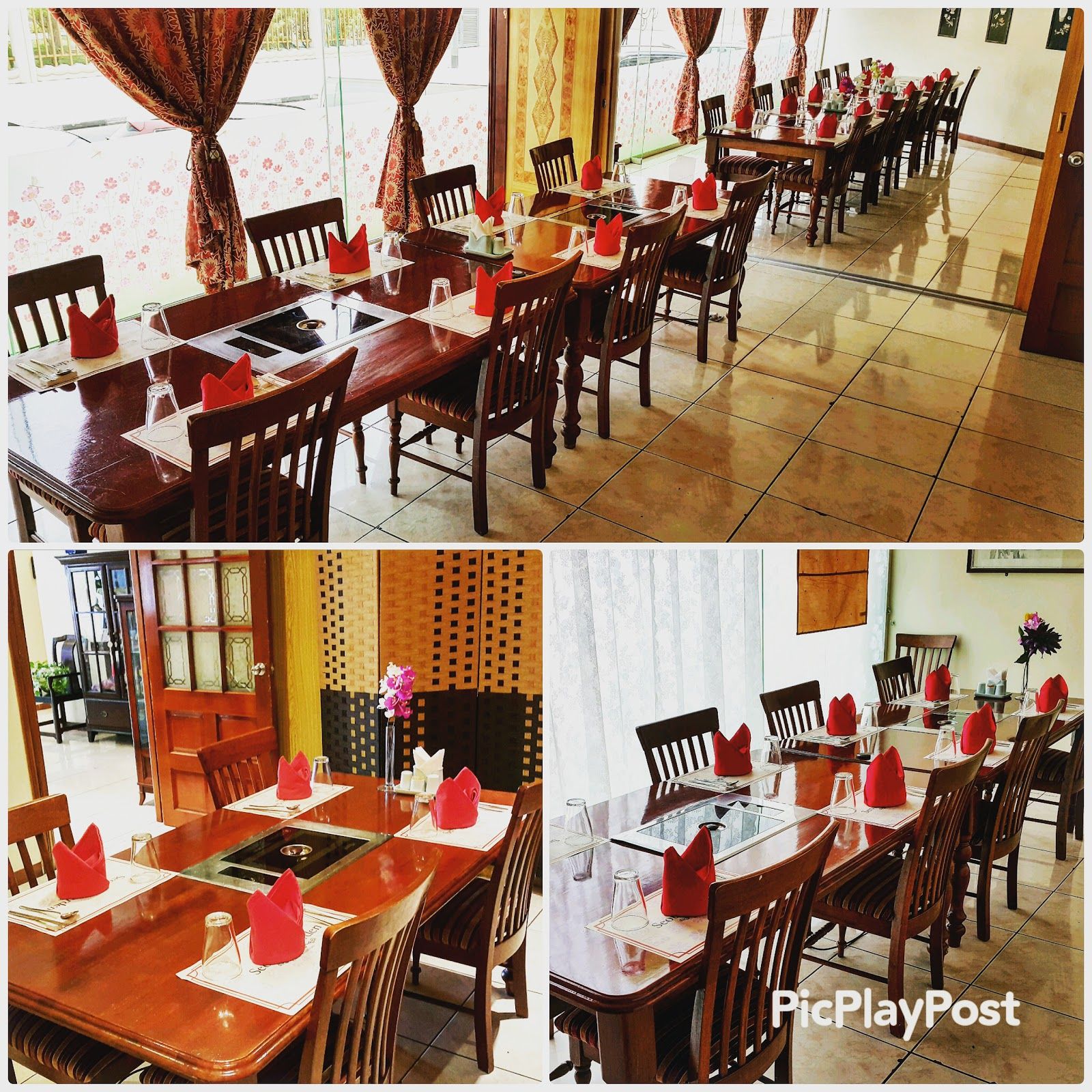
Korean Casual — Al Karama
The budget answer. Korean Casual doesn't have a table grill — the bulgogi arrives plated from the kitchen, on rice, with banchan in small dishes — but the marinade and the cooking are correct, and the AED 55 bulgogi rice bowl is the cheapest serious Korean meal in the city. Karama is, increasingly, Dubai's authentic Korean food cluster: this place, Korean Veg, and three Korean-grocery noodle bars within 400 metres of each other.
If you're new to Korean food and unsure about a full BBQ commitment, start here. The bowl is generous, the kimchi is properly aged (4–6 weeks), and you'll spend less than AED 75 including a hot Korean barley tea. More Korean in Dubai →
K-BBQ — DIFC
The DIFC option for a business-dinner KBBQ. K-BBQ is the most expensive of the seven and the room is the most polished — brass extractors, ambient lighting, a sommelier-led wine pairing menu (Korean BBQ + a Pinot Noir at AED 145 the glass is one of the more genuinely interesting Dubai pairings). Bulgogi is on the menu but it's not the headline; the headline is the A4 wagyu set at AED 385 for two. Order that, the bulgogi as a side at AED 145, and ask for the soju-and-beer "Somaek" pairing.
Korean Veg — Al Karama
For the vegetarian or vegan reader: Korean Veg does a mushroom-and-king-oyster "bulgogi" that uses the same marinade base on dense, meaty mushrooms instead of beef. The result is genuinely satisfying — not a substitute that pretends to be beef, but a dish that takes the same flavour vocabulary and applies it to a different ingredient. The plant-based banchan rotation is the best in Dubai (16 small plates).
What Bulgogi Should Taste Like (and What to Look For)
| Element | Right | Wrong |
|---|---|---|
| Marinade balance | Soy-savoury slightly dominant, pear-sweet subtle | Cloyingly sweet, no salt-soy depth |
| Meat texture | Tender, but with a defined chew | Mushy, over-marinated, soggy |
| Char | Visible caramelisation, slightly crisp edges | Pale, steamed-looking, wet |
| Heat | Iron screaming-hot (240–260°C) | Lukewarm pan, no sizzle |
| Banchan | 10+ small plates, fresh kimchi, properly aged | 4–5 plates, sweet pickled-cabbage shortcut |
| Lettuce wraps | Perilla and red leaf, both crisp | Soft iceberg only |
How to Eat Bulgogi (the Korean Way)
The standard sequence: take a leaf of red leaf lettuce, lay a perilla leaf inside, add a small amount of rice, then a piece of grilled bulgogi, a smear of ssamjang (red bean paste), maybe a slice of garlic and a piece of green pepper. Fold, eat in one bite. The bite is supposed to be over-stuffed; that's the point. Don't try to be elegant.
Second bite: full ssam wrap with everything. The intended experience.
Third bite: bulgogi with kimchi only, no wrap. Tests the kimchi's fermentation.
Fourth bite: bulgogi with cold buckwheat noodles (naengmyeon) if available. The classical refresh.
What to Order Alongside
The single best pairing dish to bulgogi is, in my view, kimchi pancake (kimchijeon) — it gives the meal a textural counterpoint, the kimchi acidity balances the bulgogi's sweetness, and it gives the table something to share while the bulgogi is on the grill. Order it on arrival.
The other classical pairing is doenjang jjigae — a fermented soybean stew that arrives mid-meal as a savoury anchor against the BBQ's sweetness. Sky Korean's version is the best in the city.
For dessert: don't. Korean BBQ is not a meal that needs dessert. Finish with a cup of bori-cha (hot Korean barley tea), which clears the palate.
Bulgogi vs. The Other Korean BBQ Dishes
If you're new to Korean BBQ, the menu can be confusing. The key dishes:
Bulgogi — thin sliced beef in a sweet-soy marinade, what this article is about.
Galbi — thicker beef short ribs, marinated similarly to bulgogi but heavier. The next dish to try after bulgogi.
Samgyeopsal — thick pork belly slices, unmarinated, grilled on the table. The Korean equivalent of bacon-on-fire.
Dak galbi — spicy chicken stir-fried with vegetables and rice cakes on a flat grill. Different cooking style; equally good.
If you can only have bulgogi once a month, do it. If you can have Korean BBQ twice a month, rotate bulgogi and samgyeopsal.
Frequently Asked: Bulgogi in Dubai
Q: Is Korean BBQ in Dubai halal?
A: Yes, all seven restaurants on this list are halal-certified. The beef is sourced from halal-certified Australian or local UAE suppliers. Korean restaurants in Dubai do not serve pork.
Q: How much should I budget for a Korean BBQ dinner for two?
A: AED 180–250 at Seoul Garden or Shogun; AED 300–450 at Hyu; AED 500–700 at K-BBQ DIFC including drinks. The lunch sets at all seven are 30–40% cheaper than dinner.
Q: Do I need to book in advance?
A: Seoul Garden Friday/Saturday dinner: 5–7 days ahead. Hyu and K-BBQ Friday/Saturday: 7–10 days. Lunch and weekdays generally walk-in friendly. Always book if you need a specific grill table.
Q: What's the difference between bulgogi and galbi?
A: Bulgogi is thin-sliced beef (usually sirloin or ribeye) in a sweet-soy marinade. Galbi is thicker, bone-in or boneless short rib, more marbled, with a heavier marinade. Both are grilled at the table. Galbi is richer; bulgogi is the lighter introduction.
Final Word
If you have to pick one place: Seoul Garden, Karama, ribeye bulgogi for two. If you want a date night with Korean: Hyu at the Westin. If you want it at lunch and on a budget: Korean Casual, AED 55 bowl. Those three are the answer to 80 percent of bulgogi questions in 2026 Dubai.
And subscribe to The Dubai Fork — we cover the new Korean openings (there are three in the pipeline for 2026) the week they open.